SEF Chairman Asked to Resign: Outlook for Cross-Strait Relations Gloomier
United Daily News Opinion, December 18, 2025
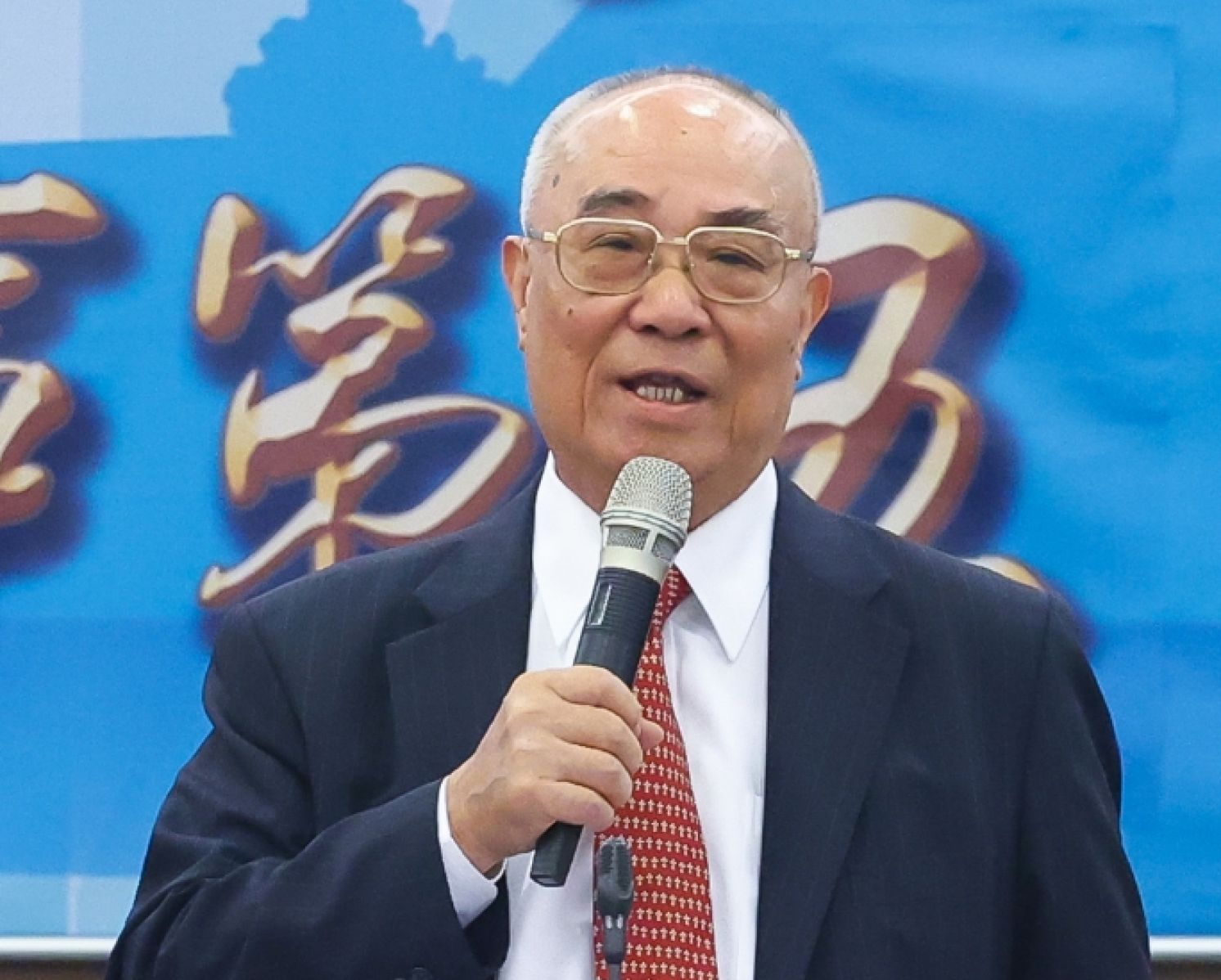
Chairman Wu Feng-shan of the Straits Exchange Foundation (SEF) favored by President Lai Ching-te at the time of his inauguration, has tendered his resignation. This represents a major blow to President Lai’s cross-strait policy and underscores how, under a framework that emphasizes “war preparedness” and labels China an “external hostile force,” any attempt to “replace confrontation with dialogue” is effectively an uphill battle bordering on the impossible.
The Lai administration’s cross-strait policy displays “glaring contradictions.” On one hand, ministries and agencies have, according to President Lai’s “17 strategies” responding to threats from China, tightened restrictions on civil servants traveling to the mainland, limited the political participation rights of mainland Chinese spouses, and repeatedly blocked applications by mainland officials or tourism operators seeking to visit Taiwan. On the other hand, Mr. Wu was tasked with using back-channel communications to engage the other side, in hopes of facilitating a meeting between the leaders of the two organizations and leading a delegation to the mainland to visit Taiwanese business people.
This mutually conflicting “dual-track” approach has now been officially declared a failure with Mr. Wu’s setback. Mr. Wu once said that when President Lai asked him to serve at the SEF, he was highly hesitant and even requested to be treated merely as a “backup,” but ultimately agreed to take on the responsibility. The SEF chairmanship carries a three-year term, originally set to run until the end of next year, yet Mr. Wu stepped down before completing even a single term.
News of Mr. Wu’s resignation was kept extremely confidential. Many SEF staff were unaware of it until yesterday morning, and the timing—just after his return from Singapore, where he attended an Asia-Pacific meeting—sparked considerable speculation. However, it is understood that President Lai’s meeting with Mr. Wu had been scheduled well before the Singapore trip and was not a spur-of-the-moment decision. President Lai also directly expressed his intention to appoint Mr. Wu as a senior advisor.
Compared with speculation over timing, the structural issues are more critical. Mr. Wu, who regarded “restoring dialogue” as his top priority, candidly admitted that he had “made efforts on many fronts but failed to grasp the essentials” when it came to forging a “new consensus” across the strait. This may suggest that resistance exists not only in Beijing, but equally in Taipei. On the surface, Mr. Wu stepped aside to accommodate the president’s personnel arrangements, but the constraints he faced and the efforts he made were far greater than outsiders may have imagined.
It is understood that while attempting to travel to the mainland, Mr. Wu was granted a specific scope of authorization from the top leadership: he could discuss “Chinese culture,” but could not mention the “Chinese nation.” In addition, Mr. Wu reportedly submitted policy recommendations on cross-strait relations to President Lai, but none were adopted.
When Mr. Wu announced his resignation yesterday, Liang Wenjie, who concurrently serves as SEF deputy chairman and deputy minister of the Mainland Affairs Council (MAC), did not attend the board meeting, drawing further attention. Subsequent praise from both the Office of the President and MAC for Mr. Wu’s “contributions” during his tenure only added to the public’s confusion.
Mr. Wu’s resignation has, in fact, exposed the deepest flaw in the Lai administration’s cross-strait policy and strategy: when “resisting China” is the dominant theme, how can “dialogue” be achieved? Without adjustment, how can any hope reasonably be placed in the next chairman?
From: https://udn.com/news/story/7331/9212683?from=searchresult